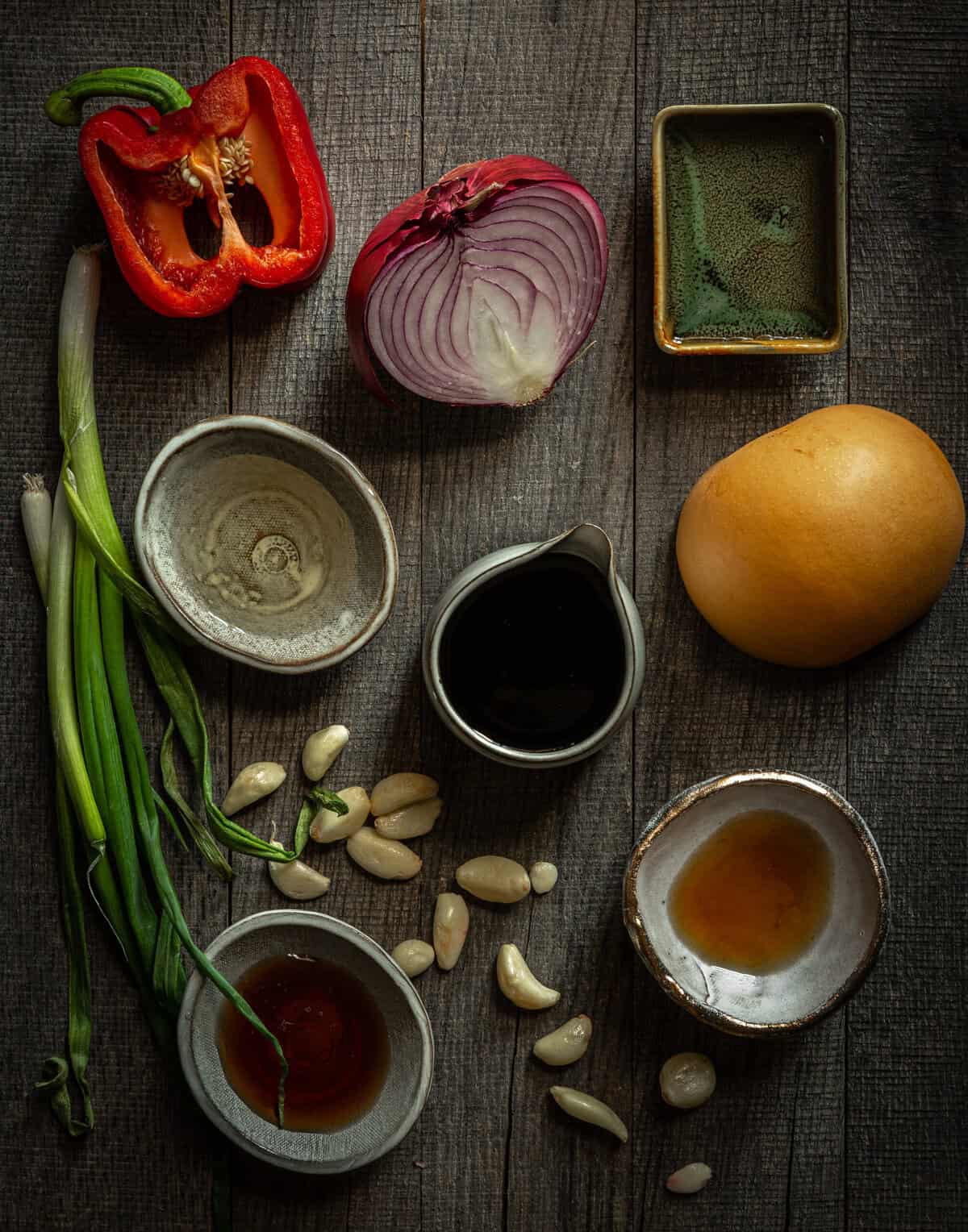
Unlock the secrets to an unforgettable culinary experience right in your own kitchen with an easy, authentic homemade korean barbecue sauce recipe. Forget store-bought versions; this guide empowers you to create a sauce that rivals the best, drawing from generations of traditional Korean flavors. Whether you're a seasoned chef or a kitchen novice, preparing your own Korean BBQ sauce is simpler than you think and promises to elevate everything from grilled meats to your favorite vegetarian dishes. Get ready to add this incredibly versatile and utterly delicious recipe to your permanent repertoire!
Why Homemade Korean BBQ Sauce is a Game Changer
There's something uniquely satisfying about creating a staple like Korean BBQ sauce from scratch. It’s not just about the incredible flavor, but also the control and customization it offers. This isn't merely a condiment; it's a passport to authentic Korean cuisine, a flavor profile that speaks of tradition and heartwarming family meals.
Authenticity and Unmatched Flavor
The beauty of a truly authentic korean barbecue sauce recipe lies in its intricate balance of flavors. It’s a symphony of umami, derived primarily from soy sauce, harmoniously blended with natural sweetness, savory depth, and often a subtle hint of spice and tang. This complex profile is what makes Korean BBQ so addictive and memorable. When you make it yourself, you capture that homemade essence – the kind passed down through generations – which is often lost in mass-produced alternatives. You control the quality of ingredients, ensuring a fresh, vibrant taste that’s simply unparalleled.
Versatility Beyond the Grill
While "BBQ sauce" might conjure images of sizzling grills and marinated meats, the truth is, an authentic Korean BBQ sauce is far more versatile. Yes, it's the perfect marinade for thin strips of beef (bulgogi), pork belly, or chicken, infusing them with deep flavor before they even hit the heat. But its utility extends much further:
- As a Glaze: Brush it onto roasted vegetables, chicken wings, or ribs for a sticky, glossy finish bursting with flavor.
- Dipping Sauce Extraordinaire: Elevate a simple plate of dumplings, spring rolls, or even your favorite tortilla chips with this rich, savory dip.
- Stir-Fry & Noodle Enhancer: Stir it into a quick weeknight stir-fry or noodle dish like spicy ramen, yaki udon, or dan dan noodles for an instant flavor boost.
- Vegetarian & Vegan Friendly: The deep umami and balanced flavors mean it pairs beautifully with tofu, tempeh, mushrooms, or roasted vegetables, allowing everyone to enjoy the essence of Korean BBQ, meat-free.
Healthier & Customizable Control
Making your own korean barbecue sauce recipe gives you complete control over what goes in. This means you can adjust sodium levels by opting for low-sodium soy sauce, manage sugar content, and even tweak the spice factor to suit your palate. It’s an excellent way to avoid artificial preservatives, colors, and high-fructose corn syrup often found in commercial sauces, providing a healthier and fresher alternative for your family.
Korean BBQ Sauce vs. Its Cousins: Marinade and American BBQ
Understanding what sets Korean BBQ sauce apart helps in appreciating its unique culinary role. While often compared to marinades and American BBQ sauces, there are fundamental distinctions in both consistency and flavor profile.
The Consistency Conundrum: Marinade vs. Sauce
The primary difference between a Korean BBQ sauce and a Korean BBQ marinade lies mostly in its consistency. A marinade is typically a thinner liquid designed to penetrate and tenderize meat over hours, if not overnight. It's absorbed into the protein, infusing flavor from within. A sauce, on the other hand, is generally thicker, achieved through the addition of a starch (like cornstarch) or reduction. It's meant to cling to food as a glaze, a basting agent, or a dipping accompaniment. While many ingredients overlap, the final texture dictates its primary application.
Flavor Foundation: Soy Sauce vs. Tomato Base
The divergence in flavor between Korean BBQ sauce and most American BBQ sauces is significant, starting with their respective bases. American BBQ sauces predominantly feature a tomato base, often sweetened with molasses or brown sugar, and given tang from vinegar, along with smoky spices. The result is typically sweet, tangy, and smoky. Korean BBQ sauce, by contrast, builds its foundation on soy sauce. This instantly introduces a rich, salty, umami depth that is then balanced with sweetness (often from brown sugar or fruit), aromatics like garlic and onion, and sometimes a fiery kick from gochujang. While both aim for an umami-rich experience, the journey to get there is distinctly different.
Crafting Your Perfect Korean Barbecue Sauce Recipe: Key Ingredients
The magic of an authentic korean barbecue sauce recipe lies in a handful of readily available, whole food ingredients. Each plays a crucial role in creating that harmonious blend of flavors.
The Soy Sauce Foundation
As the cornerstone of Korean BBQ sauce, soy sauce provides the essential umami and savory base.
- Type Matters: Opt for a low-sodium soy sauce to prevent your finished sauce from becoming overwhelmingly salty. Regular soy sauce can be quite potent when reduced.
- Gluten-Free Option: If you're catering to gluten sensitivities, a high-quality gluten-free soy sauce or tamari works perfectly without compromising flavor.
- Soy-Free Alternative: For those with soy allergies, coconut aminos offer a fantastic soy-free alternative, providing a similar savory depth with a touch of natural sweetness.
Aromatic Powerhouses: Onion & Garlic
These two humble ingredients are indispensable, providing a robust, aromatic backbone to the sauce. Freshly minced garlic delivers a pungent warmth, while raw onion adds a sweet, slightly sharp counterpoint that mellows beautifully upon cooking. They contribute essential depth and complexity, preventing the sauce from tasting flat.
Sweetness & Balance: Brown Sugar & Beyond
Sweetness is vital for balancing the salty umami of the soy sauce and any potential spiciness. Brown sugar is a traditional choice, lending a molasses-like richness. However, you can also consider other natural sweeteners like honey or maple syrup for a slightly different flavor profile. Some recipes even incorporate grated Asian pear or apple for a natural sweetness and enzymes that can tenderize meat.
Optional: The Fiery Kick of Gochujang
For those who love a bit of heat, Gochujang (Korean chili paste) is your secret weapon. This fermented condiment offers a unique smoky, savory, and sweet heat that's distinct from other chili pastes. It adds an incredible depth and a beautiful reddish hue to the sauce. If you prefer a milder sauce, you can omit it or add just a small amount to your korean barbecue sauce recipe.
Other Flavor Enhancers
- Toasted Sesame Oil: A drizzle of this aromatic oil at the end adds a nutty, earthy fragrance that is quintessential to Korean cuisine.
- Rice Vinegar: A splash of rice vinegar contributes a mild tang, cutting through the richness and brightening the overall flavor profile.
- Fresh Ginger: Grated ginger adds a zesty, pungent kick that complements the garlic and onion beautifully.
- Black Pepper: Freshly ground black pepper adds a subtle warmth and spice.
Step-by-Step Guide to Your Easy Korean Barbecue Sauce Recipe
Making your own korean barbecue sauce recipe is surprisingly straightforward. Here’s how to bring all those incredible ingredients together:
1. Gather Your Ingredients
Ensure you have all your key components measured out and ready: low-sodium soy sauce, finely minced garlic, finely grated or blended onion, brown sugar, a touch of toasted sesame oil, rice vinegar, and optionally, gochujang, fresh ginger, and a thickening agent like cornstarch (mixed with a little water to form a slurry).
2. Combine and Blend for Flavor
In a medium saucepan, whisk together the soy sauce, brown sugar, minced garlic, grated onion, rice vinegar, and gochujang (if using). Stir well to dissolve the sugar. For a smoother sauce, especially if you're using larger pieces of onion or garlic, you can blend all the liquid ingredients (except the cornstarch slurry and sesame oil) in a blender until smooth. This helps create a homogenous flavor distribution and a refined texture.
3. Simmer for Perfection and Thickness
Place the saucepan over medium heat. Bring the mixture to a gentle simmer, stirring occasionally. This allows the flavors to meld and deepen. If you’re aiming for a thicker sauce (as opposed to a marinade), now is the time to slowly whisk in your cornstarch slurry. Continue to simmer, stirring constantly, for 3-5 minutes, or until the sauce thickens to your desired consistency. It should be thick enough to coat the back of a spoon. Be careful not to boil too vigorously, as this can scorch the sauce.
4. Finish with Aromatics and Cool
Once the sauce has reached its ideal thickness, remove it from the heat. Stir in the toasted sesame oil. This ensures its delicate flavor isn't cooked away. Allow the sauce to cool completely before transferring it to an airtight jar or container. As it cools, it will thicken slightly more.
Storage and Longevity
Your homemade Korean BBQ sauce can be stored in the refrigerator for up to 2-3 weeks. Always use a clean spoon to retrieve the sauce to maintain its freshness. For longer storage, you can freeze it in ice cube trays or freezer-safe containers for several months. Thaw in the refrigerator before use.
Embracing this easy, authentic korean barbecue sauce recipe means you’re not just making a condiment; you're crafting a versatile flavor enhancer that will revolutionize your meals. From tender marinated kalbi to a vibrant vegetarian stir-fry, this homemade sauce provides a depth of flavor and authenticity that’s truly unparalleled. So gather your ingredients, follow these simple steps, and prepare to impress your taste buds and your guests with the incredible tastes of Korean cuisine. Your pantry, and your palate, will thank you!
