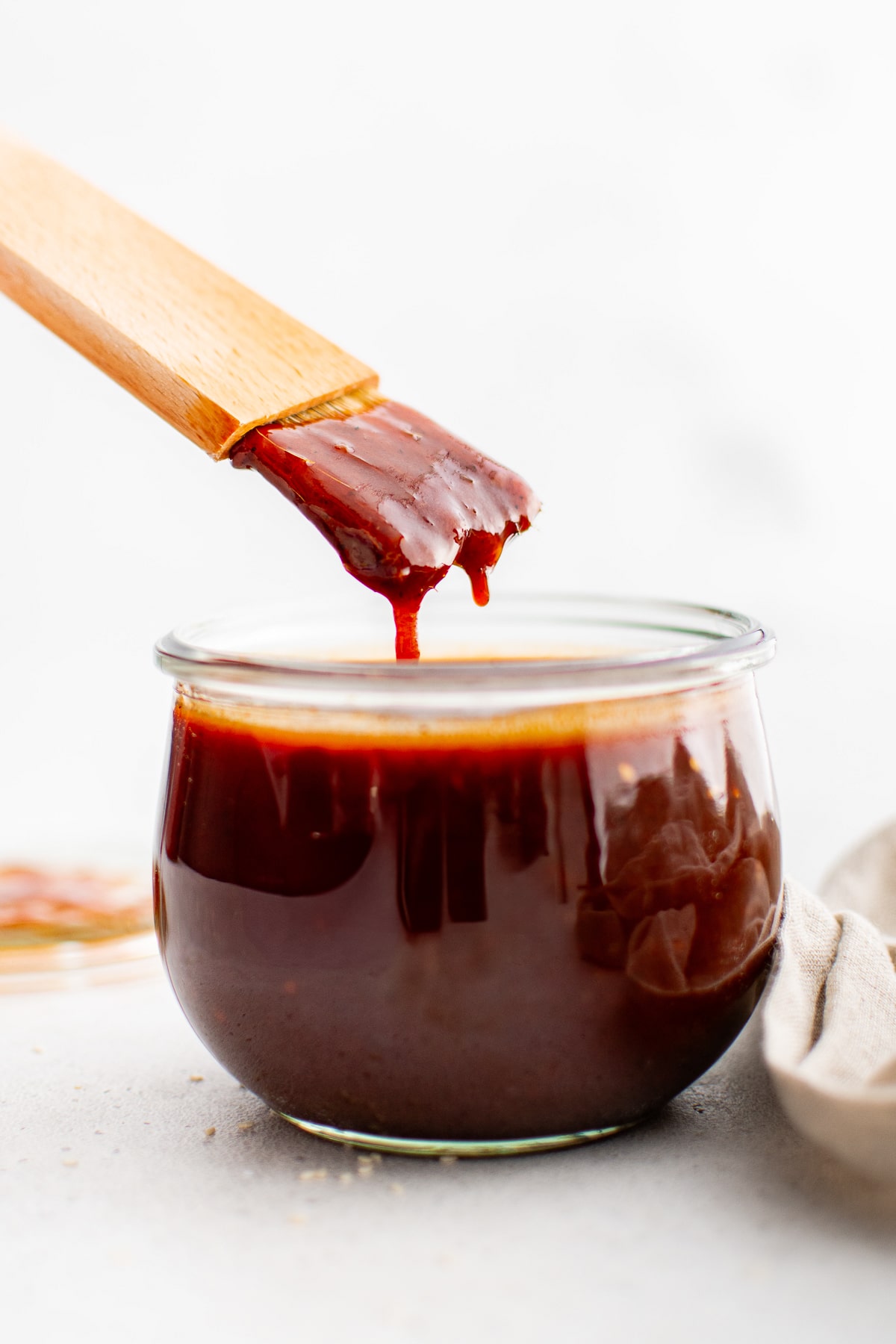
Unlock Authentic Flavor: Your Gochujang Korean BBQ Sauce Recipe
Few culinary traditions capture the imagination quite like Korean BBQ. The sizzle of marinated meats on a hot grill, the fresh crunch of lettuce wraps, and the vibrant array of banchan (side dishes) create an unforgettable dining experience. At the heart of this experience, elevating every bite, is the phenomenal Korean BBQ sauce. But what if you could bottle that magic, infusing it with a unique sweet and spicy kick, right in your own kitchen? This comprehensive guide will walk you through crafting the ultimate Gochujang Korean BBQ sauce recipe – a versatile, homemade condiment that promises to transform your meals from ordinary to extraordinary.
For decades, families across Korea have perfected their own secret blends, often passed down through generations. Our version draws inspiration from these time-honored traditions, focusing on the beloved Gochujang (Korean chili paste) to deliver a sauce that is thick, slightly sticky, and bursting with a perfect symphony of sweet, savory, and spicy notes. Whether you're a seasoned chef or embarking on your first homemade sauce adventure, get ready to add this incredible Korean barbecue sauce recipe to your culinary repertoire.
The Gochujang Advantage: Elevating Your Korean Barbecue Sauce
If you're already a fan of Korean cuisine, you're likely familiar with the concept of Korean BBQ – thinly sliced meats, often marinated, grilled to perfection, and enjoyed with an array of accompaniments. While many excellent Korean BBQ marinades exist, the true sauce offers a thicker, more adhesive consistency, perfect for glazing, dipping, and coating. The crucial distinction that sets our Gochujang Korean BBQ sauce recipe apart is, of course, the Gochujang itself.
Gochujang is a fermented Korean chili paste made from gochugaru (chili powder), glutinous rice, meju (fermented soybean powder), yeotgireum (barley malt powder), and salt. Its unique fermentation process gives it a complex flavor profile that is deeply savory (umami), subtly sweet, and wonderfully spicy, with a characteristic pungency that can't be replicated. Unlike simple hot sauces, Gochujang provides depth and character rather than just raw heat. Incorporating it into your korean barbecue sauce recipe adds:
- Layered Heat: A nuanced spiciness that builds without overpowering the other flavors.
- Rich Umami: Enhances the overall savory profile, making the sauce incredibly satisfying.
- Natural Sweetness: Contributes a balanced sweetness from the fermented rice, harmonizing beautifully with added sugars.
- Thick Texture: Gochujang itself has a pasty consistency, contributing to the sauce's luxurious, clingy texture.
While many American BBQ sauces typically start with a tomato base, Korean BBQ sauces are fundamentally different, built upon a foundation of soy sauce, which provides that essential umami depth without the acidity of tomatoes. This fundamental difference is key to its distinctive character, which you can explore further in our article on the Korean BBQ Sauce vs. Marinade: The Soy Sauce Base Explained.
Essential Ingredients for Your Homemade Gochujang Korean BBQ Sauce Recipe
Crafting a truly exceptional homemade Gochujang Korean BBQ sauce relies on a careful selection of ingredients that create a kaleidoscope of balanced flavors. Here's a breakdown of what you'll need and why each component is vital:
- Soy Sauce: The Unifying Base
As the primary liquid base, soy sauce provides the foundational savory, umami flavor. For the best results, opt for a low-sodium variety. Regular soy sauce can make your final sauce overly salty, especially after simmering and reduction. If dietary restrictions are a concern, a gluten-free soy sauce or even coconut aminos can be excellent substitutes, allowing everyone to enjoy this incredible korean barbecue sauce recipe. Avoid using Korean soup soy sauce, which is typically much saltier and intended for broths. - Gochujang: The Spicy Heart
This is where the magic happens. Choose a quality Gochujang from your local Asian market. They come in varying levels of spiciness (usually marked 순한맛 - mild, 보통매운맛 - medium, 아주매운맛 - very spicy). Select one that suits your heat preference. Remember, Gochujang isn't just about heat; it's about the deep, fermented flavor it imparts. - Sweeteners: Balancing the Heat
Brown sugar is a classic choice, offering a caramel-like sweetness that complements the Gochujang beautifully. Other options include honey, maple syrup, or even Korean rice syrup (mulyeot) for an even more authentic touch. The goal is to balance the spiciness and saltiness, so you may adjust the amount to your taste. - Aromatics: The Flavor Foundation
Finely minced garlic is non-negotiable, infusing the sauce with its pungent, aromatic goodness. Freshly grated ginger adds a zesty, warming complexity. Don't skip the raw onion; when blended or finely minced, it provides a subtle sweetness and sharp undertone that brightens the sauce and adds another layer of umami. - Acid: A Touch of Tang
A splash of rice wine vinegar or apple cider vinegar brightens the sauce, cutting through the richness and adding a delightful tang that awakens the palate. It's a small addition that makes a big difference. - Sesame Oil: The Signature Finish
Toasted sesame oil is added at the end, imparting its distinctive nutty aroma and rich flavor. A little goes a long way, transforming the overall profile. - Thickeners (Optional but Recommended for Sauce):
While Gochujang adds some body, a cornstarch slurry (cornstarch mixed with a small amount of cold water) can be used to achieve that perfect, thick, glossy consistency that clings beautifully to food. If you prefer a thinner marinade, you can omit this. - Optional Enhancers: Black pepper, a pinch of gochugaru for extra heat, or even a touch of Asian pear juice for natural sweetness and tenderizing qualities.
Crafting Your Versatile Gochujang Korean BBQ Sauce: Tips & Techniques
Making this korean barbecue sauce recipe is surprisingly simple, but a few techniques will ensure you achieve the best results:
- Mise en Place: Gather and prepare all your ingredients before you begin. Mince garlic and ginger, finely chop the onion (or use a food processor for a smoother sauce).
- Combine Thoroughly: In a saucepan, whisk together all liquid ingredients (soy sauce, Gochujang, sweetener, vinegar) with the aromatics (garlic, ginger, onion). Ensure the Gochujang is fully dissolved and integrated.
- Gentle Simmer: Bring the mixture to a gentle simmer over medium-low heat. This allows the flavors to meld and develop. Stir occasionally to prevent sticking.
- Thicken to Perfection: If using a thickener, prepare a cornstarch slurry (1 tablespoon cornstarch mixed with 2 tablespoons cold water). Slowly whisk it into the simmering sauce. Continue to cook and stir for another 1-2 minutes until the sauce thickens to your desired consistency. It should coat the back of a spoon.
- Taste and Adjust: This is crucial! Taste your sauce. Does it need more sweetness? A touch more spice? A bit more tang? Adjust according to your preference. Remember, it's easier to add than to take away.
- Finish with Sesame Oil: Remove the sauce from the heat and stir in the toasted sesame oil. This preserves its delicate aroma and flavor.
- Cool and Store: Allow the sauce to cool completely before transferring it to an airtight jar or container. It will thicken further as it cools. Store it in the refrigerator, where it will keep well for up to 2-3 weeks.
Pro Tip: For an extra smooth sauce, especially if you're using raw onion, you can blend all the ingredients (except the sesame oil) in a food processor or blender before simmering. This ensures a consistent texture perfect for glazing.
Beyond the Grill: Unleashing the Versatility of Your Gochujang Korean BBQ Sauce
The beauty of this homemade korean barbecue sauce recipe lies in its incredible versatility. While it's a star with grilled meats, its applications stretch far beyond the traditional barbecue pit:
- Dynamic Marinade: Thin it slightly with a touch of water or rice wine and use it to marinate beef short ribs (kalbi), chicken thighs, pork belly, or even firm tofu for a minimum of 30 minutes, or ideally, overnight.
- Irresistible Glaze: Brush it onto grilled chicken wings, roasted vegetables (broccoli, Brussels sprouts, bell peppers), or pan-seared salmon during the last few minutes of cooking for a glossy, flavorful finish.
- Flavorful Dipping Sauce: Serve it alongside a plate of homemade dumplings, crispy spring rolls, fresh vegetable sticks, or even as a unique dip for tortilla chips or fries.
- Stir-Fry & Noodle Enhancer: Stir a few spoonfuls into your favorite stir-fries or noodle dishes like spicy ramen, udon, or even a quick rice bowl. It adds instant depth and a vibrant kick.
- Vegan & Vegetarian Friendly: Because the sauce is naturally meat-free, it's perfect for vegetarians and vegans. Use it to marinate tofu, tempeh, portobello mushrooms, or coat roasted cauliflower for a mouthwatering plant-based meal.
Imagine it glistening on perfectly grilled Korean BBQ beef, adding a punch to crispy fried chicken, or even drizzled over scrambled eggs for an adventurous breakfast. The possibilities are truly endless once you have this fantastic sauce in your fridge.
Mastering this Gochujang Korean BBQ sauce recipe is more than just learning to cook; it's about unlocking a world of bold, authentic flavors that will elevate your home cooking. This sweet, spicy, and incredibly versatile sauce is a testament to the rich culinary traditions of Korea, bringing a taste of Seoul right into your kitchen. So, gather your ingredients, fire up the stove, and prepare to impress your taste buds and your guests with this homemade masterpiece!
